
Best Eye Cataract Surgery Hospital in Hyderabad at Advanced Focus Eye Hospital
Cataracts are one of the most common eye conditions affecting people as they age. They develop when the natural lens of the eye becomes cloudy, leading to blurred vision, glare sensitivity, difficulty seeing at night, and faded colors. If left untreated, cataracts can gradually interfere with daily activities such as reading, driving, and recognizing faces. At Advanced Focus Eye Hospital, we provide Advanced Cataract Treatment in Hyderabad using modern diagnostic technology and advanced surgical techniques to restore clear and comfortable vision.
Our experienced specialists focus on personalized eye care and advanced treatment methods to ensure safe, precise, and effective results for every patient seeking Cataract Surgery in Hyderabad.

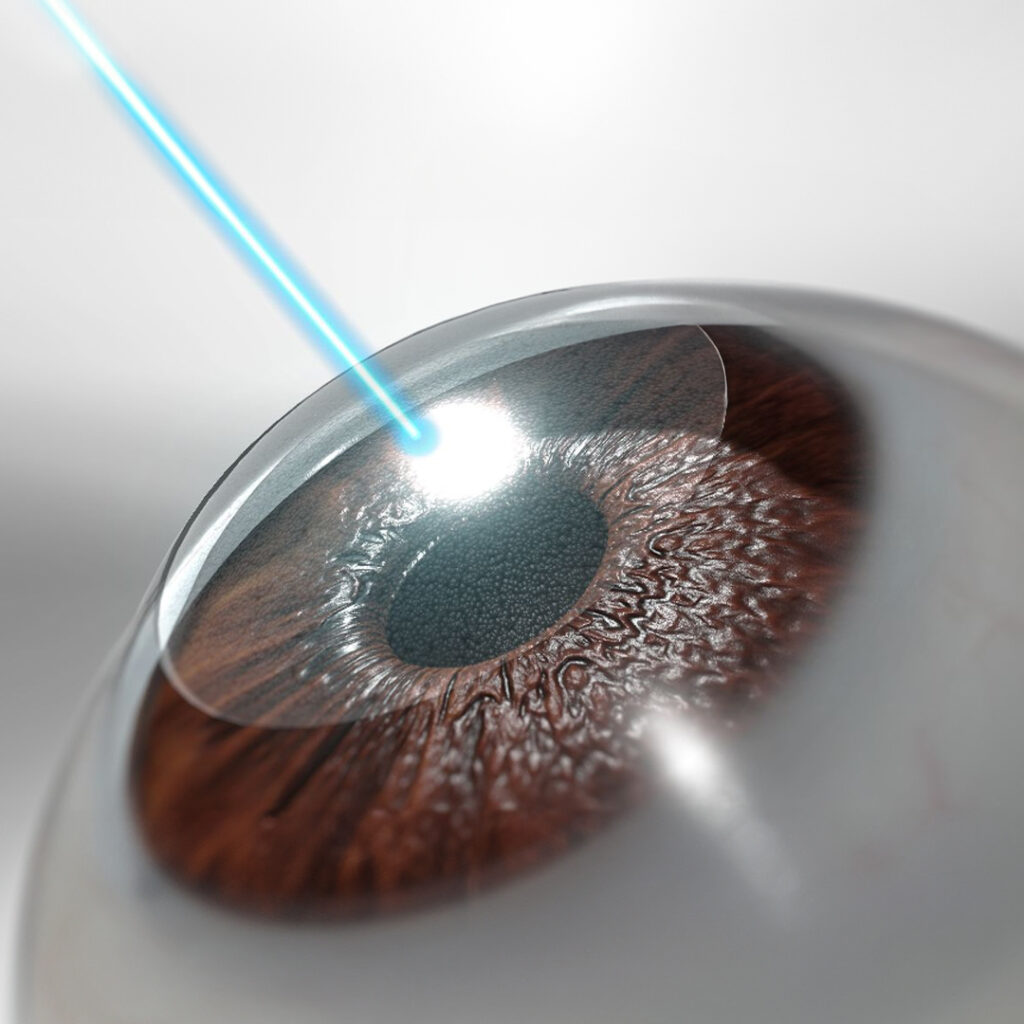

What is a Cataract?
A cataract occurs when proteins in the eye’s natural lens break down and form cloudy areas. This clouding prevents light from passing properly through the lens, resulting in unclear vision. Cataracts usually develop slowly and may affect one or both eyes.
Common types of cataracts include:
- Age-related cataracts
- Congenital cataracts
- Traumatic cataracts
- Secondary cataracts caused by medical conditions or medications
Early diagnosis and timely treatment are important to protect and improve vision.
Symptoms of Cataracts
Cataracts often develop gradually, making symptoms easy to ignore at first. However, as the condition progresses, vision problems become more noticeable.


If you experience any of these symptoms, visiting an eye specialist for evaluation is recommended. Our hospital offers Painless Cataract Surgery in Hyderabad with advanced technology and patient-centered care.
Causes and Risk Factors for Cataracts
Although aging is the primary cause of cataracts, several other factors may increase the risk of developing the condition.
Risk factors include:
Growing age
Long-term steroid use
Previous eye surgeries
Family history of cataracts
Diabetes
Eye injuries
Prolonged exposure to sunlight
Smoking and alcohol consumption
Routine eye examinations help detect cataracts early and allow timely planning for treatment.
Advanced Cataract Diagnosis and Evaluation
At Advanced Focus Eye Hospital, we use advanced diagnostic tools to evaluate the severity of cataracts and determine the most suitable treatment plan.
Advanced Cataract Diagnosis and Evaluation
At Advanced Focus Eye Hospital, we use advanced diagnostic tools to evaluate the severity of cataracts and determine the most suitable treatment plan.
Our cataract evaluation may include:
- Visual acuity testing
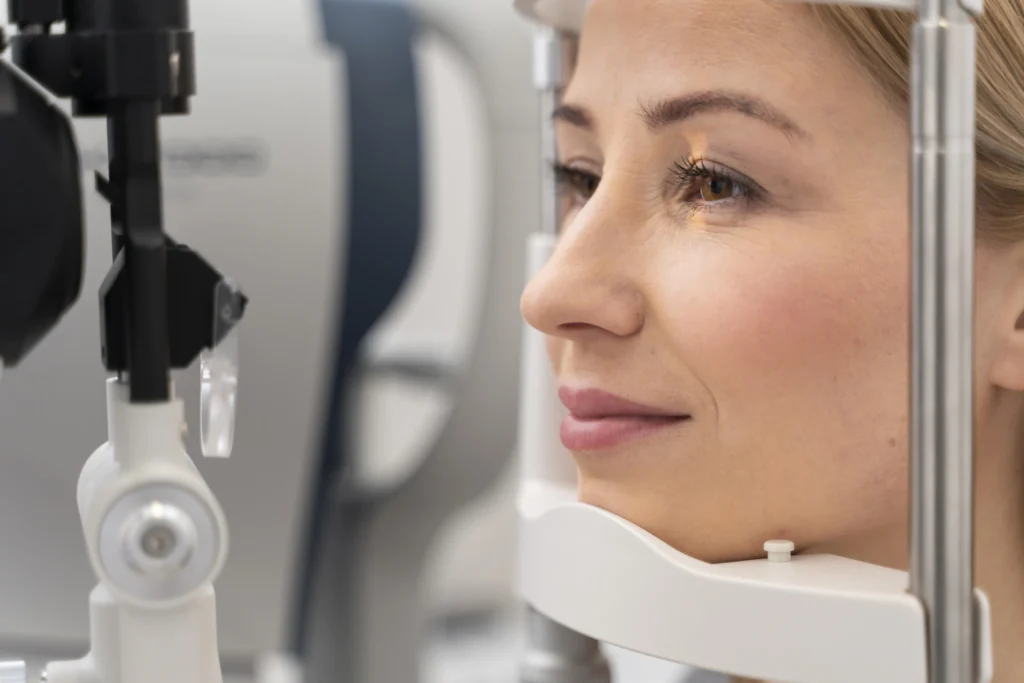
- Slit lamp examination
- Retina assessment
- Eye pressure measurement
- Biometry for lens power calculation
- Corneal assessment and imaging
These tests help our specialists recommend the most effective Advanced Cataract Treatment in Hyderabad based on individual eye health and visual needs.
Cataract Surgery – The Most Effective Treatment
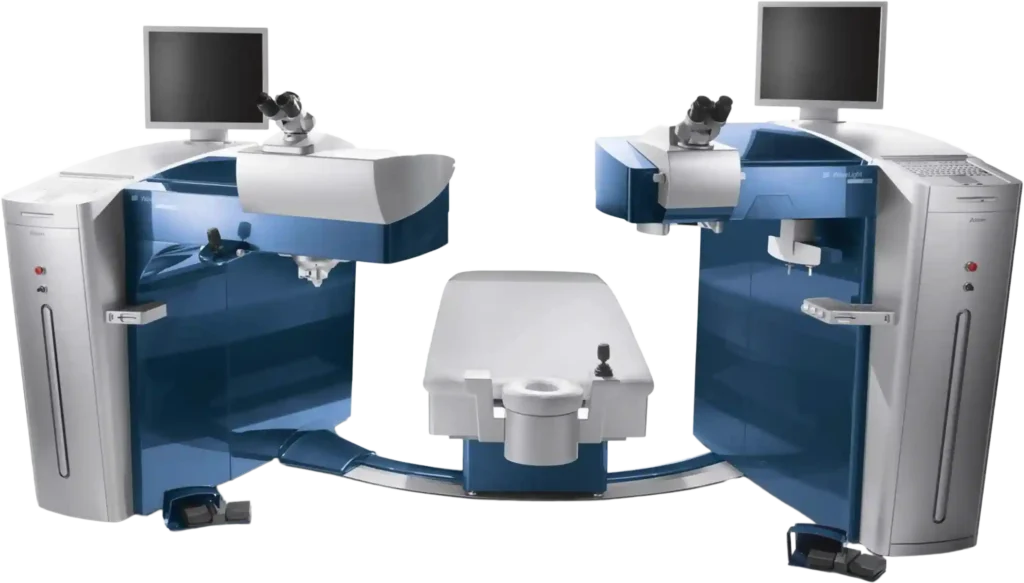
Currently, cataract surgery is the only permanent and proven treatment for cataracts. During the procedure, the cloudy natural lens is removed and replaced with a clear artificial intraocular lens (IOL), restoring better vision.
Modern cataract surgery is safe, quick, and minimally invasive. Most patients experience improved vision shortly after treatment and can return to normal activities within a short period.
At Advanced Focus Eye Hospital, our specialists perform Micro Incision Cataract Surgery in Hyderabad designed to provide faster healing, minimal discomfort, and excellent visual outcomes.
Micro Incision Cataract Surgery in Hyderabad
- Smaller surgical incisions
- Reduced surgical trauma
- Minimal discomfort
- Faster visual recovery
- Lower risk of complications
- Improved precision and accuracy
Advanced Robotics Cataract Surgery
- Greater surgical precision
- Customized treatment planning
- Reduced human error
- Enhanced lens positioning
- Improved safety and predictability
Painless Cataract Surgery in Hyderabad
Our Cataract Treatment Procedure
At Advanced Focus Eye, we provide safe and comfortable cataract treatment using advanced technology and expert care.
We perform a detailed eye check-up to assess cataract severity and overall eye health.
Our specialists conduct advanced tests and select the most suitable lens for better vision correction.
Our Painless Cataract Surgery in Hyderabad approach includes:
- Local anesthesia for comfort
- Short surgical procedure
- Minimal bleeding
- Same-day discharge in many cases
- Quick recovery
Most patients experience little to no pain and notice improved vision soon after surgery.
We provide complete post-surgery care and follow-up support to ensure smooth healing and long-term visual improvement.
Why Choose Advanced Focus Eye Hospital for Cataract Surgery?
Choosing the right eye hospital and surgeon plays a major role in successful vision restoration. Advanced Focus Eye Hospital is committed to delivering high-quality eye care with modern facilities and personalized treatment.
Why patients trust us:
Our team is dedicated to helping patients regain clear vision and improved quality of life through advanced cataract treatment solutions.
Experienced eye specialists
Modern diagnostic technology
Advanced surgical systems
Personalized treatment plans
Patient-focused care
Safe and hygienic environment
High success rates and visual outcomes
When considering Cataract Surgery in Hyderabad, experience and precision matter. Our skilled specialists are trained in modern cataract procedures and advanced surgical methods to provide safe, effective, and reliable results.
Whether you need early cataract evaluation or advanced surgical care, our team works closely with you to understand your vision goals and recommend the right treatment option.
Book Your Cataract Consultation Today
Cataracts should not limit your ability to enjoy life with clear vision. Early diagnosis and expert treatment can restore eyesight and improve confidence in everyday activities. If you are searching for the Best Cataract Surgeon Hyderabad or reliable Advanced Cataract Treatment Hyderabad, Advanced Focus Eye Hospital is here to help.
Schedule your consultation today and take the first step toward clearer, brighter vision.
1. Who needs Cataract Surgery in Hyderabad?
People experiencing blurred vision, glare, difficulty reading, or vision problems caused by cataracts may require Cataract Surgery in Hyderabad after an eye specialist’s evaluation.
2. Is cataract surgery painful?
No. Painless Cataract Surgery Hyderabad is performed using local anesthesia, and most patients experience little to no pain during the procedure.
3. What is Micro Incision Cataract Surgery?
Micro Incision Cataract Surgery Hyderabad is an advanced technique that uses very small incisions, resulting in minimal discomfort, faster healing, and improved surgical precision.
4. How long does cataract surgery take?
Cataract surgery is usually completed within 15–30 minutes, and many patients can return home on the same day.
5. What is Advanced Cataract Treatment Hyderabad?
Advanced Cataract Treatment Hyderabad includes modern diagnostic systems, premium lens options, and minimally invasive surgical techniques for better visual outcomes.
6. What is advanced robotics cataract surgery?
Most patients notice vision improvement within a few days, while complete recovery may take a few weeks depending on individual healing.
7. How soon can I recover after cataract surgery?
Advanced robotics cataract surgery uses advanced technology and image-guided precision to improve surgical accuracy, safety, and customized treatment.
8. How do I choose the Best Cataract Surgeon Hyderabad?
Choosing the Best Cataract Surgeon Hyderabad involves checking surgical experience, advanced technology, patient reviews, and personalized treatment care.
9. Will I need glasses after cataract surgery?
This depends on the type of intraocular lens used and your vision needs. Some patients may still need glasses for certain activities after surgery.