
Best ICL(IMPLANTABLE COLLAMER LENS) Specialist in
Hyderabad at Advanced Focus Eye Hospital
Clear vision is essential for everyday life, but not everyone is a suitable candidate for LASIK surgery. For individuals with high vision power or thin corneas, ICL Surgery Hyderabad offers an advanced and reliable solution. At Advanced Focus Eye, we provide modern vision correction treatments using advanced technology and personalized care to help patients achieve clearer vision and greater visual freedom.
Implantable Contact Lens Surgery Hyderabad is a safe and effective procedure designed to correct refractive errors without removing corneal tissue. Our experienced eye specialists carefully evaluate each patient to provide customized treatment and long-term visual improvement.



What is ICL Surgery?
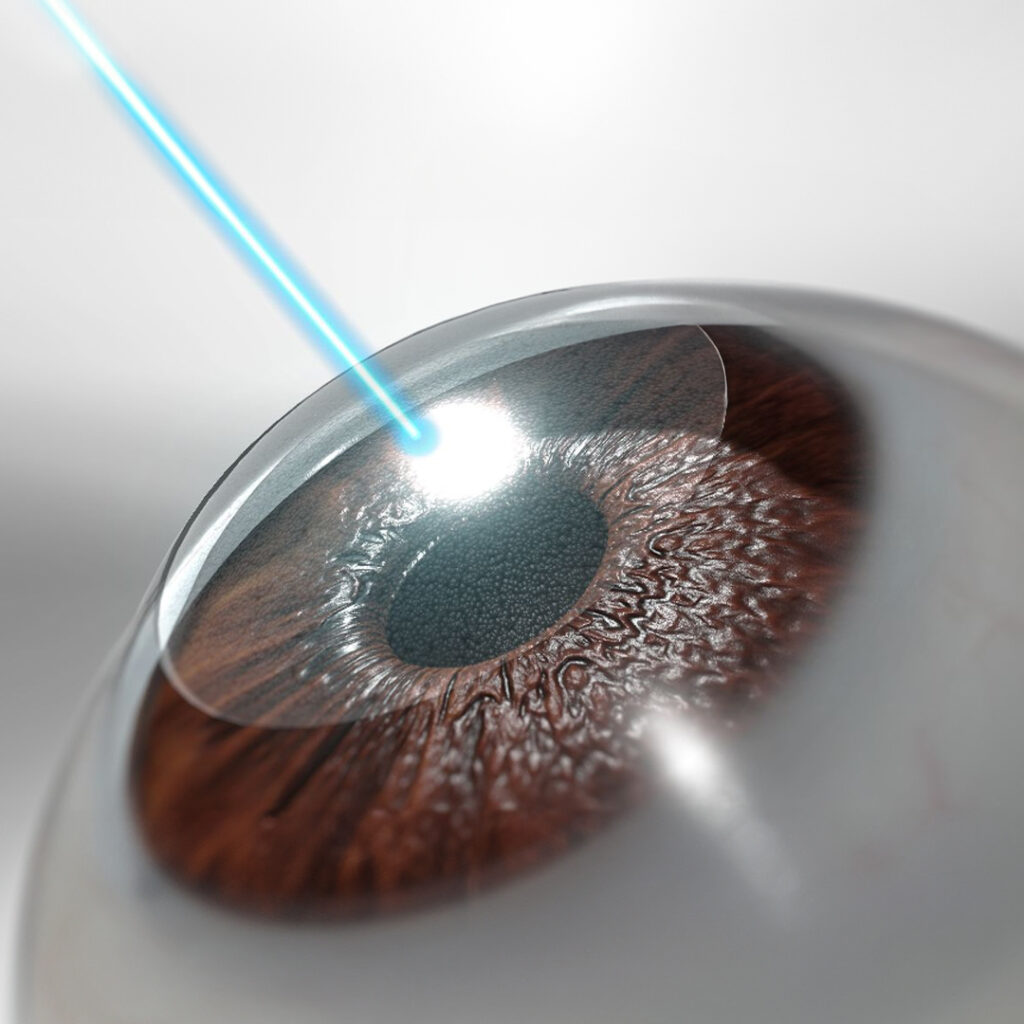
ICL, or Implantable Contact Lens surgery, is an advanced vision correction procedure where a specially designed lens is placed inside the eye to correct refractive errors. Unlike regular contact lenses worn externally, the implantable lens is positioned behind the iris and in front of the natural lens.
This procedure is commonly recommended for:
- High Myopia (Nearsightedness)
- Hyperopia (Farsightedness)
- Astigmatism
- Patients not suitable for LASIK due to thin corneas or dry eyes
Implantable Contact Lens Surgery Hyderabad provides excellent visual clarity while preserving the natural structure of the cornea.
Why Choose ICL Surgery for Vision Correction?
Many people with high eye power struggle with glasses and contact lenses that may not provide the desired comfort or visual quality. Vision Correction ICL Hyderabad is designed to address these concerns through a minimally invasive and highly effective treatment.
Some major advantages of ICL surgery include:
- Sharp and clear vision
- No removal of corneal tissue
- Reversible treatment option
- UV protection provided by the lens
- Reduced dependence on spectacles and contact lenses
- Suitable for high vision power correction
- Quick recovery and minimal discomfort
ICL technology provides high-definition vision and improved visual performance for eligible patients.
Who is Eligible for ICL Surgery?
You may be a suitable candidate for ICL Surgery Hyderabad if you:
- Are above 18 years of age
- Have stable eye power
- Have moderate to high refractive error
- Are not suitable for LASIK surgery
- Have healthy eyes and retina
- Want long-term vision correction
A detailed consultation with our specialists helps determine whether ICL surgery is the right option for your visual needs.
ICL Surgery Hyderabad – How the Procedure Works
At Advanced Focus Eye, every patient undergoes a detailed eye examination before surgery to ensure suitability and safety.
Comprehensive Eye Evaluation
Our specialists conduct advanced diagnostic testing to evaluate:
- Corneal thickness
- Eye power and refractive error
- Eye pressure
- Retina and eye health
- Anterior chamber depth
- Lens measurements for accurate fitting
These evaluations help create a personalized treatment plan for successful vision correction.
Implantable Contact Lens Procedure
During Implantable Contact Lens Surgery Hyderabad, numbing eye drops are used to ensure comfort. A small opening is created, and the customized ICL lens is gently inserted into the eye.
The lens is carefully positioned behind the iris and remains invisible once placed. The surgery is usually completed within a short duration and does not require major incisions or stitches.
Patients typically return home on the same day and receive follow-up guidance for smooth recovery.
High Power Vision Correction Hyderabad – A Trusted Solution
Patients with severe refractive errors often believe laser surgery may not be an option. However, High Power Vision Correction Hyderabad through ICL surgery has transformed vision correction for many individuals.
ICL surgery is especially beneficial for:
- High myopia patients
- People with extremely high prescription numbers
- Thin cornea cases
- Dry eye sufferers
- Patients seeking reversible vision correction
Unlike some laser procedures, ICL does not permanently reshape the cornea, making it a preferred solution for selected cases requiring advanced correction.
Benefits of Vision Correction ICL Hyderabad
ICL surgery offers several long-term advantages beyond simply reducing dependence on glasses.
Superior Visual Quality
Patients often experience sharp, crisp, and natural vision with improved contrast sensitivity.
Suitable for Thin Corneas
Individuals who may not qualify for LASIK can often benefit from Vision Correction ICL Hyderabad.
Reversible Procedure
One of the unique benefits of ICL surgery is reversibility. The implanted lens can be removed or replaced if medically required.
Minimal Dry Eye Symptoms
Since the corneal surface is preserved, ICL surgery may reduce the likelihood of dry eye symptoms compared with some laser treatments.
Long-Term Stability
The implanted lens is designed for long-term performance and stable visual outcomes.
ICL Eye Surgery Specialist Hyderabad – Expert Care at Advanced Focus Eye
Choosing the right specialist plays an important role in successful vision correction. At Advanced Focus Eye, our experienced team follows a patient-centered and precision-driven approach for every procedure.
As an ICL Eye Surgery Specialist Hyderabad, our focus is on:
- Accurate diagnosis
- Customized treatment planning
- Advanced surgical techniques
- Patient comfort and safety
- Comprehensive post-surgery care
We believe that every patient deserves clear information, expert guidance, and high-quality eye care throughout their treatment journey.
Recovery After ICL Surgery
Recovery after ICL surgery is generally smooth and comfortable. Most patients notice improved vision within a short period after the procedure.
Following surgery, patients are advised to:
- Use prescribed eye drops
- Avoid rubbing the eyes
- Attend follow-up appointments
- Limit strenuous activity temporarily
- Follow specialist guidance carefully
Regular monitoring helps ensure healthy healing and optimal visual outcomes.
1. Who can undergo ICL Surgery Hyderabad?
Patients with high vision power, thin corneas, or those unsuitable for LASIK may be good candidates for ICL Surgery Hyderabad.
2. What is Implantable Contact Lens Surgery?
Implantable Contact Lens Surgery Hyderabad is a vision correction procedure where a customized lens is implanted inside the eye without removing corneal tissue.
3. Is ICL surgery safe?
Yes. ICL surgery is considered a safe and effective procedure when performed by an experienced eye specialist and after proper evaluation.
4. Is ICL surgery painful?
No. The surgery is performed with anesthetic eye drops, and most patients experience minimal discomfort.
5. Can ICL treat high power vision problems?
Yes. High Power Vision Correction Hyderabad through ICL surgery is ideal for patients with moderate to severe refractive errors.
6. Is ICL surgery permanent?
The implanted lens is designed for long-term use, but one advantage is that the procedure is reversible if medically required.
7. How long does recovery take after ICL surgery?
Most patients notice improved vision within a short period and can return to daily activities after following post-surgery care instructions.
8. Why should I consult an ICL Eye Surgery Specialist Hyderabad?
An ICL Eye Surgery Specialist Hyderabad can assess your eye condition, recommend the right treatment, and ensure safe and accurate lens implantation.
9. Which is better – LASIK or ICL surgery?
The choice depends on your eye condition, corneal thickness, and vision power. A detailed eye examination helps determine the most suitable vision correction option.
Experience Advanced Vision Correction at Advanced Focus Eye
Cataracts should not limit your ability to enjoy life with clear vision. Early diagnosis and expert treatment can restore eyesight and improve confidence in everyday activities. If you are searching for the Best Cataract Surgeon Hyderabad or reliable Advanced Cataract Treatment Hyderabad, Advanced Focus Eye Hospital is here to help.
Schedule your consultation today and take the first step toward clearer, brighter vision.